
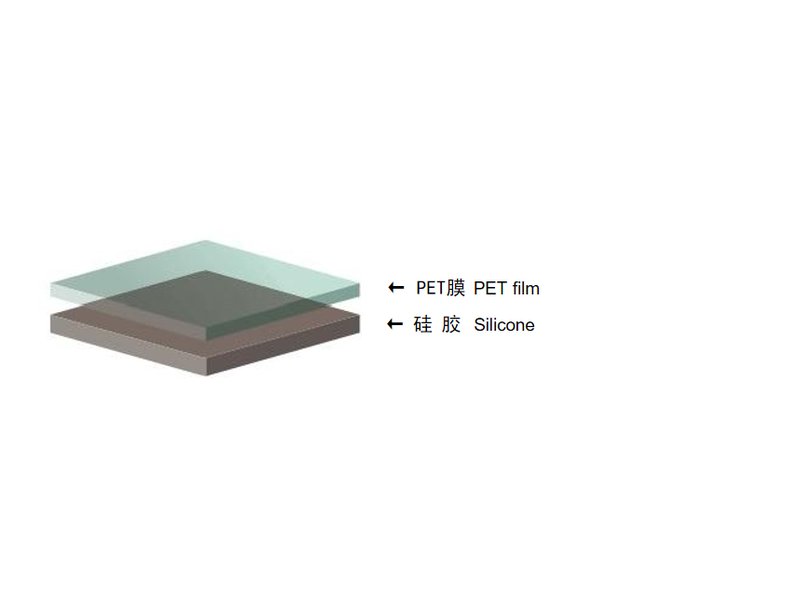
Graphite Protective Film
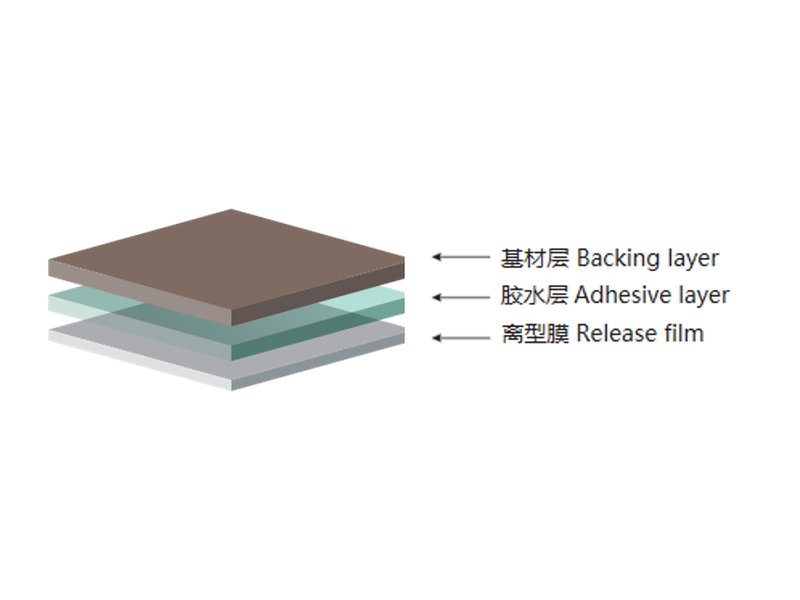
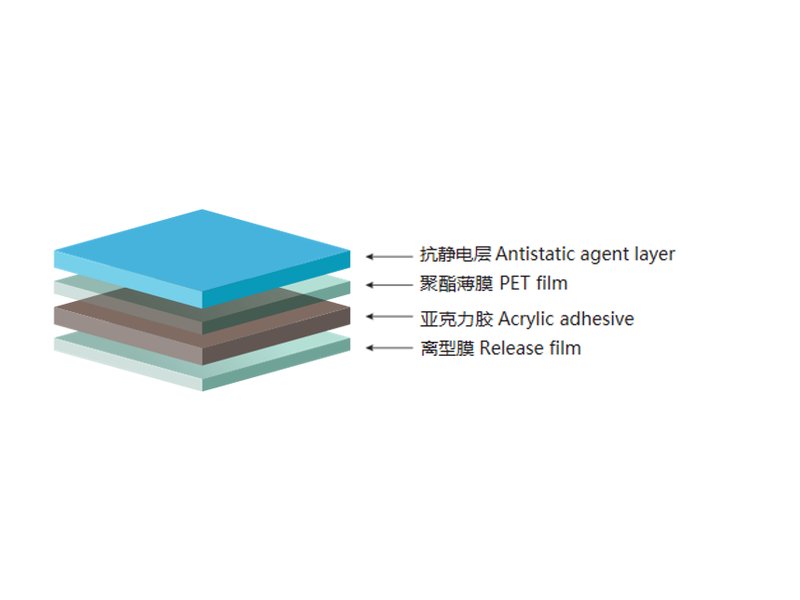
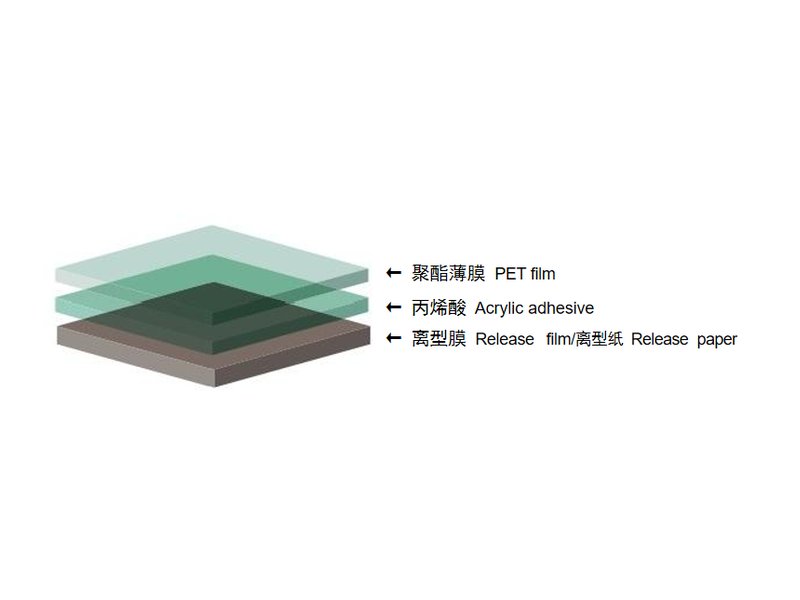
Precision-coated Graphite construction engineered for Graphite process protection. Customizable thickness, adhesive system and width — backed by cleanroom coating and inline inspection.
Application
- Graphite process protection
Advantage
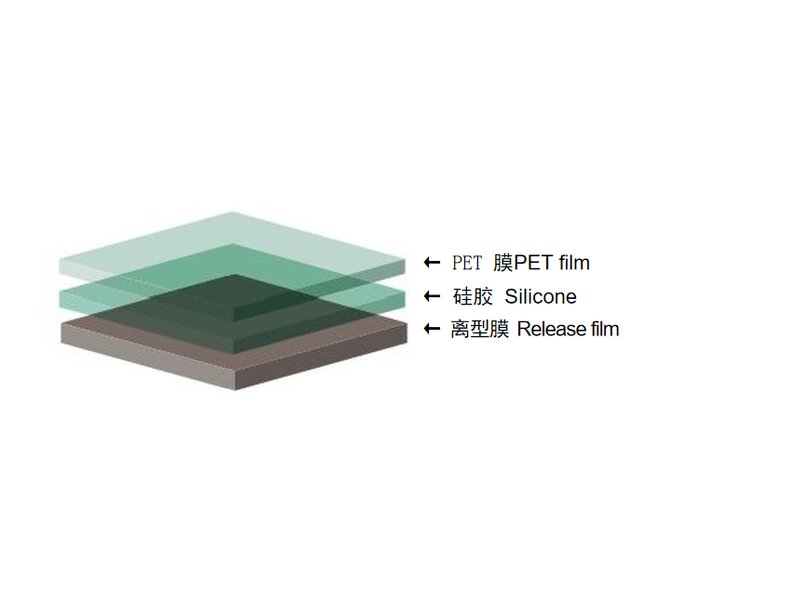
- Silicone adhesive on PET
- Narrow adhesion, low creep-up, no residue
Fabrication
- Die-cutting and precision slitting to custom shapes and widths
- Supply as jumbo rolls, sheets or narrow-width slit rolls
- Single or double-sided lamination with release liner
- Cleanroom slitting and packaging available on request
Typical Specifications
| Construction | Base film coated with pressure-sensitive adhesive |
|---|---|
| Adhesive System | Acrylic / silicone / PU — selected to match your process |
| Thickness | Customizable to specification |
| Width | Up to 2,600 mm coating width |
| Release Liner | Single or double-sided release liner options |
| Color | Transparent standard; other colors on request |
| Supply Form | Jumbo rolls, sheets or precision-slit rolls |
Values are configuration options, not fixed limits — every roll is produced to your agreed specification.
Official Property Data Sheet
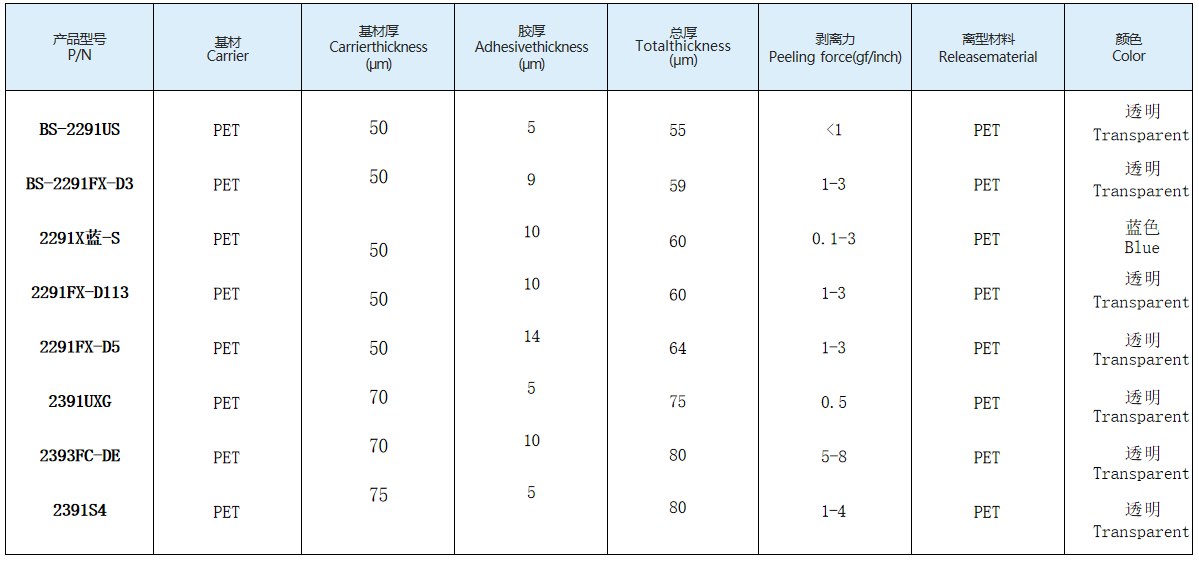
Data sheet source: ORISUN official product documentation. Contact us for the full English specification.
Common Questions About Graphite Protective Film
Can I order Graphite Protective Film in a custom thickness, width or adhesion level?
Yes. Adhesive formulation, thickness and width are all adjustable — coating width goes up to 2.6 m. Share your process window and our engineers will match a construction to it.
Do you provide samples of Graphite Protective Film for testing?
Yes. Sample rolls or sheets can be arranged before mass production, backed by our pilot coating lines for quick validation.
What is Graphite Protective Film mainly used for?
Typical applications include Graphite process protection. Tell us your end process and we will confirm suitability.
How is Graphite Protective Film quality controlled?
Materials are coated in class-1000 / class-100 cleanrooms and inspected inline with a Dr. Schenck scanning system before slitting and shipment.