
How to Choose the Right Protective Film for Consumer Electronics

A protective film looks like the simplest component in a consumer electronics build — until the wrong one leaves adhesive on a million glass panels. Choosing correctly comes down to three properties working together: adhesion level, optical clarity and clean removability.
Start with adhesion. For glossy glass and polished PMMA, a low-adhesion film in the 10-30 g/25 mm range peels cleanly without stressing delicate coatings. Brushed metal, painted plastic and matte surfaces grip more strongly and usually need mid-range adhesion. For textured or porous surfaces, a higher-adhesion grade prevents edge lift during transport. The rule of thumb: the smoothest the surface, the lower the adhesion you can afford — and the easier your removal process becomes.
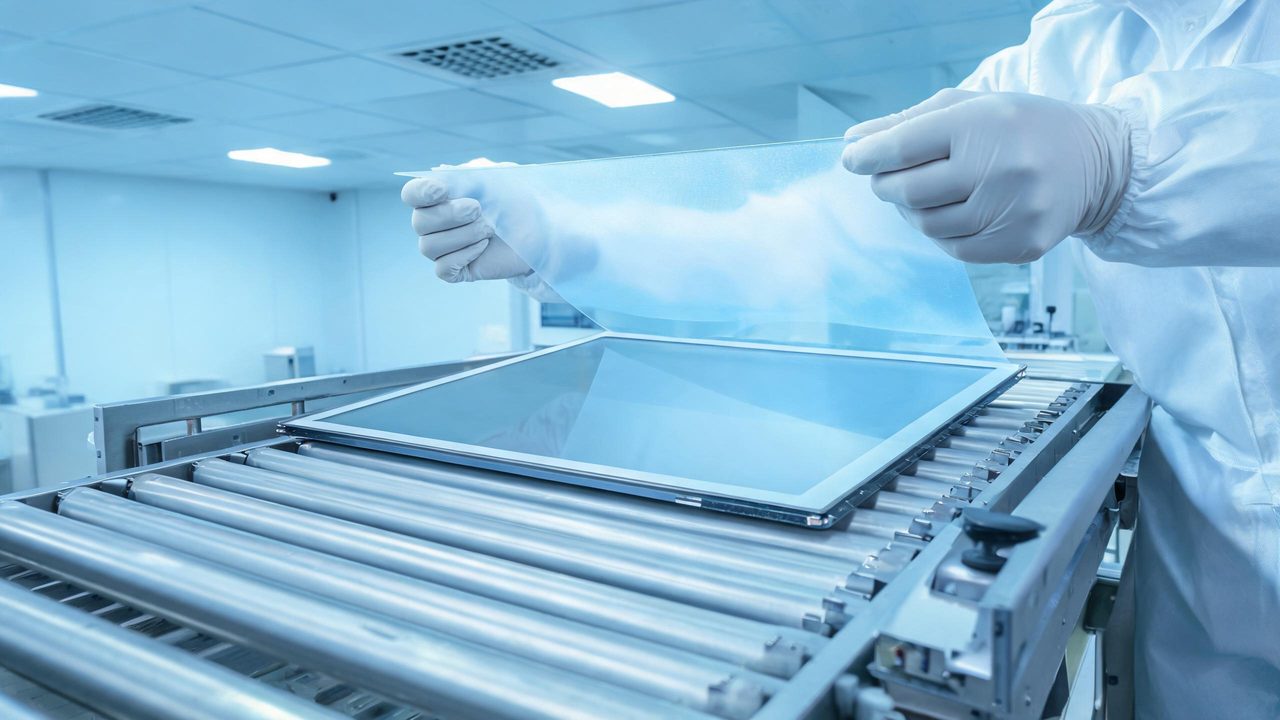
Next, transparency. Films used on display windows and lenses must be optically clean: high light transmission, low haze, and no visible gel or crystal points under a backlight. This is where coating cleanliness matters more than adhesive chemistry. A spec written as "transparent" is not enough — ask for the haze value and inspect samples under the same lighting your production line uses.
Third, removability. The film must peel in one piece, leave no transfer glue, and not attack the surface it protected — even after weeks of thermal cycling in a hot warehouse or a sea container. Silicone and acrylic systems behave differently here: acrylic offers a cost-efficient general-purpose balance, while silicone handles high-temperature processes and difficult substrates. Always validate with real dwell time and real shipping conditions, not just a bench test.
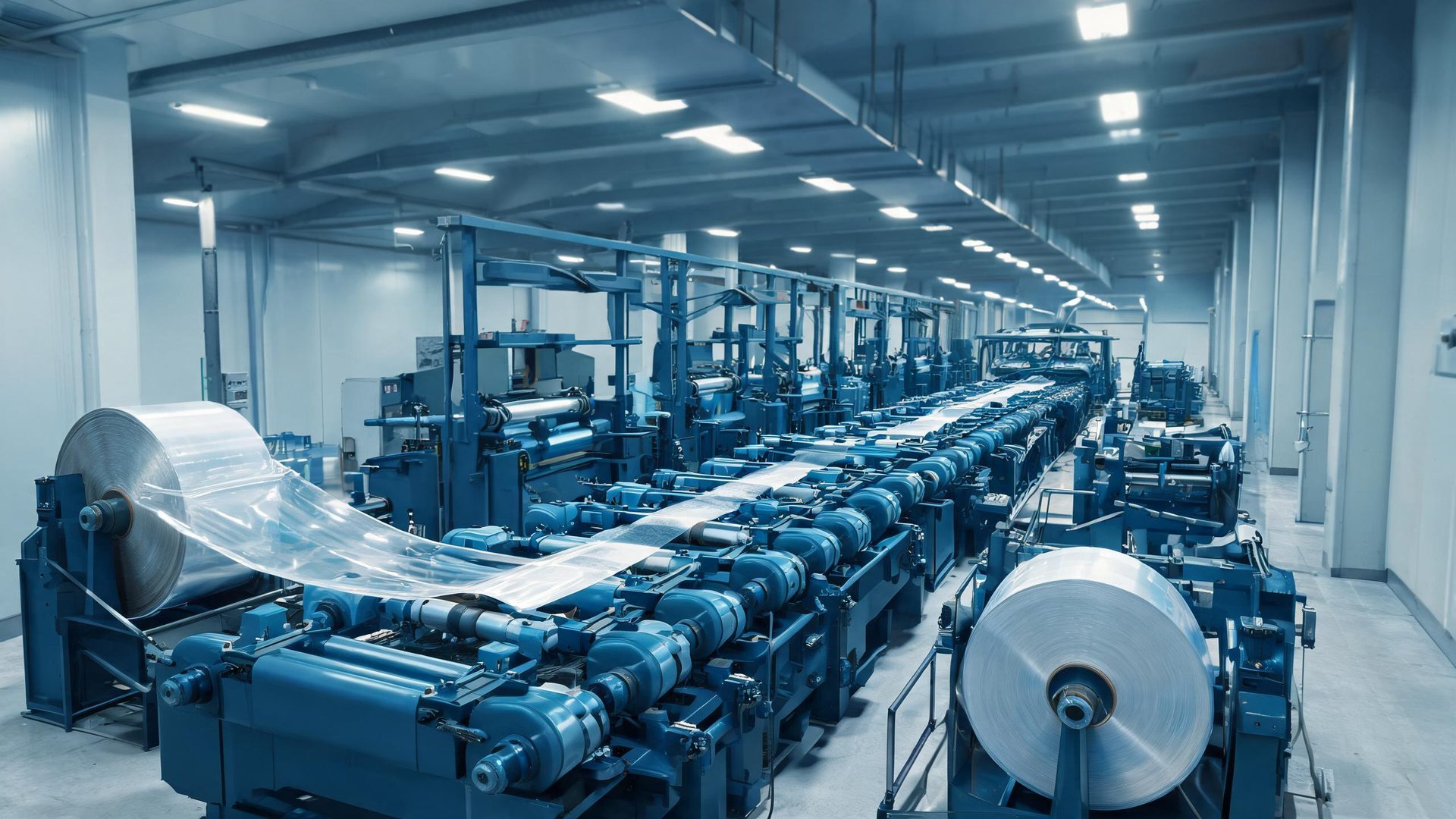
Finally, match the film to the process, not only the product. If your line applies film by machine, ask for width tolerance and release force consistency roll-to-roll. If parts are die-cut, edge quality and die-cutability decide your throughput. ORISUN supplies PE and PET protective film series across adhesion grades, widths up to 1.6 m and custom printing — tell us your surface, your process and your environment, and we will shortlist the right specification for sampling.